










BMW M10 Engine
$16,000.00
BMW M10 Engine
The BMW M10 is widely considered the most important engine in BMW’s history. Designed by Baron Alex von Falkenhausen and introduced in 1962, it was the foundation that saved the company and established its reputation for sporty, reliable sedans.
BMW M10 Engine
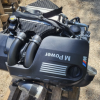
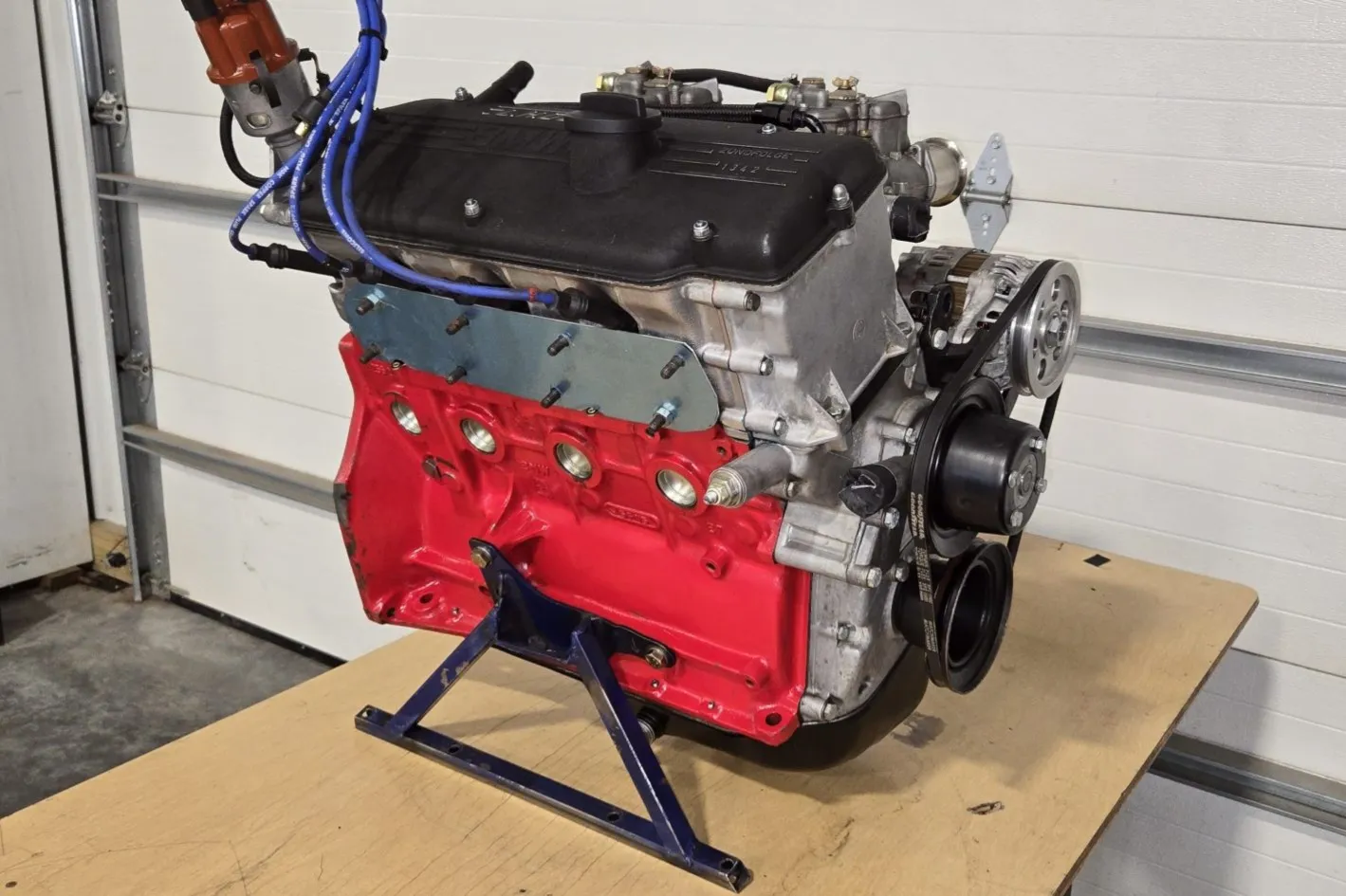
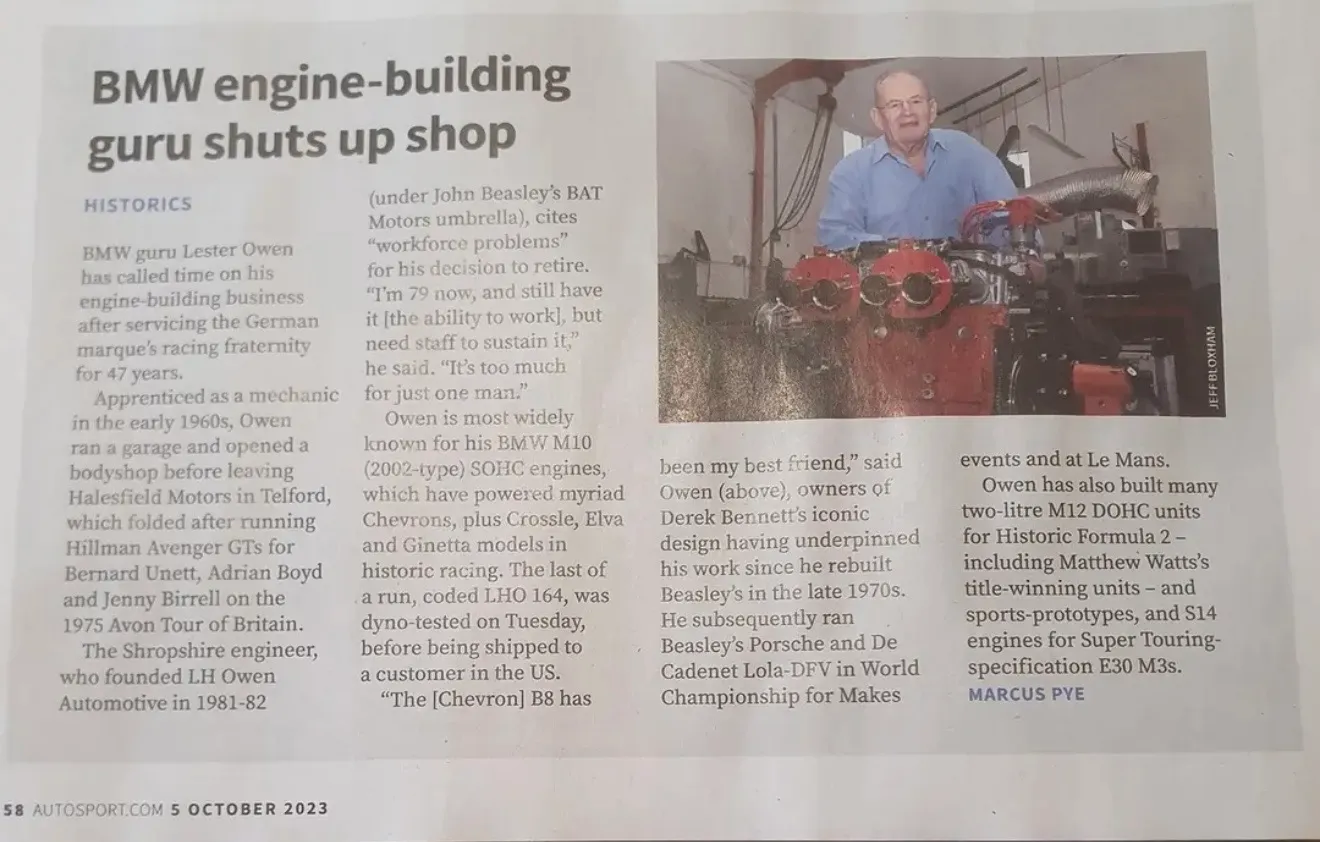
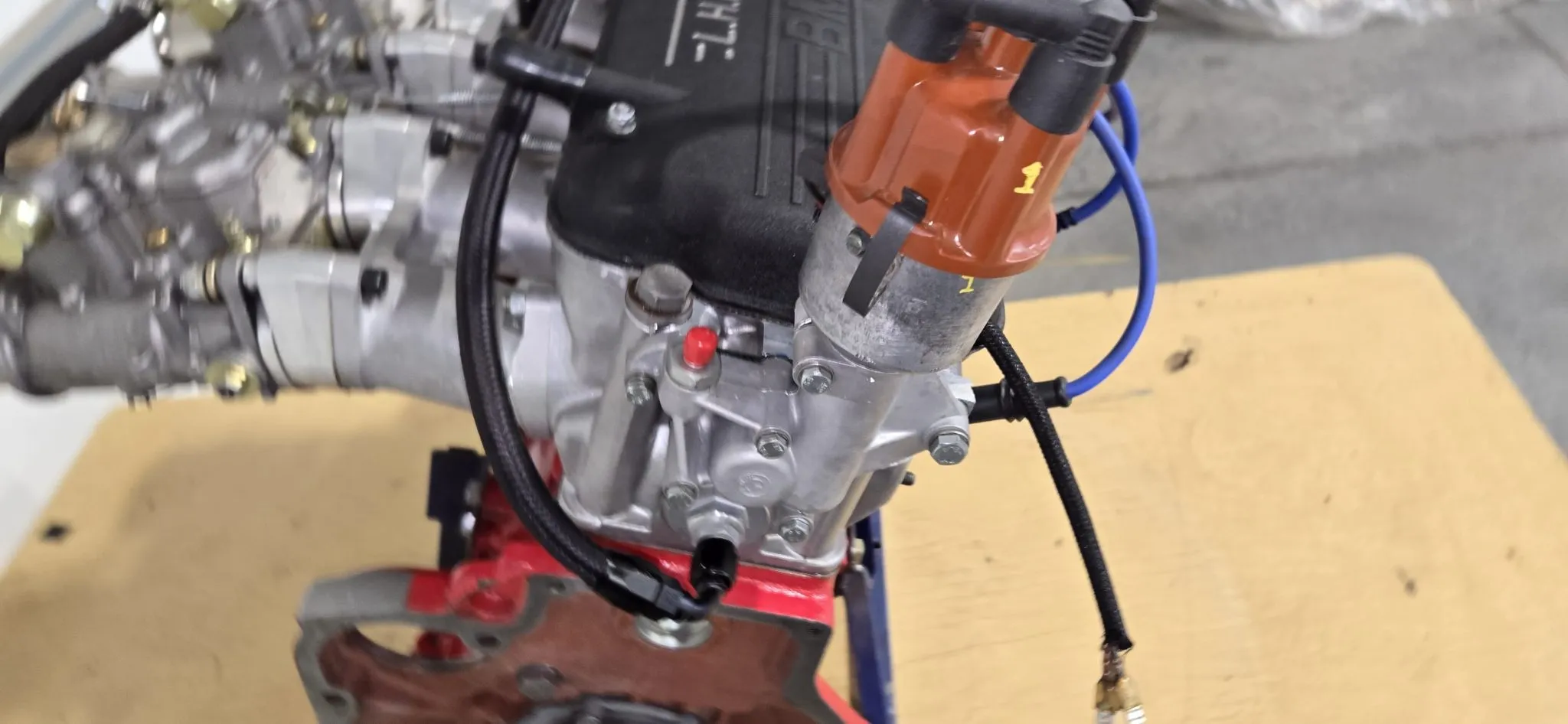
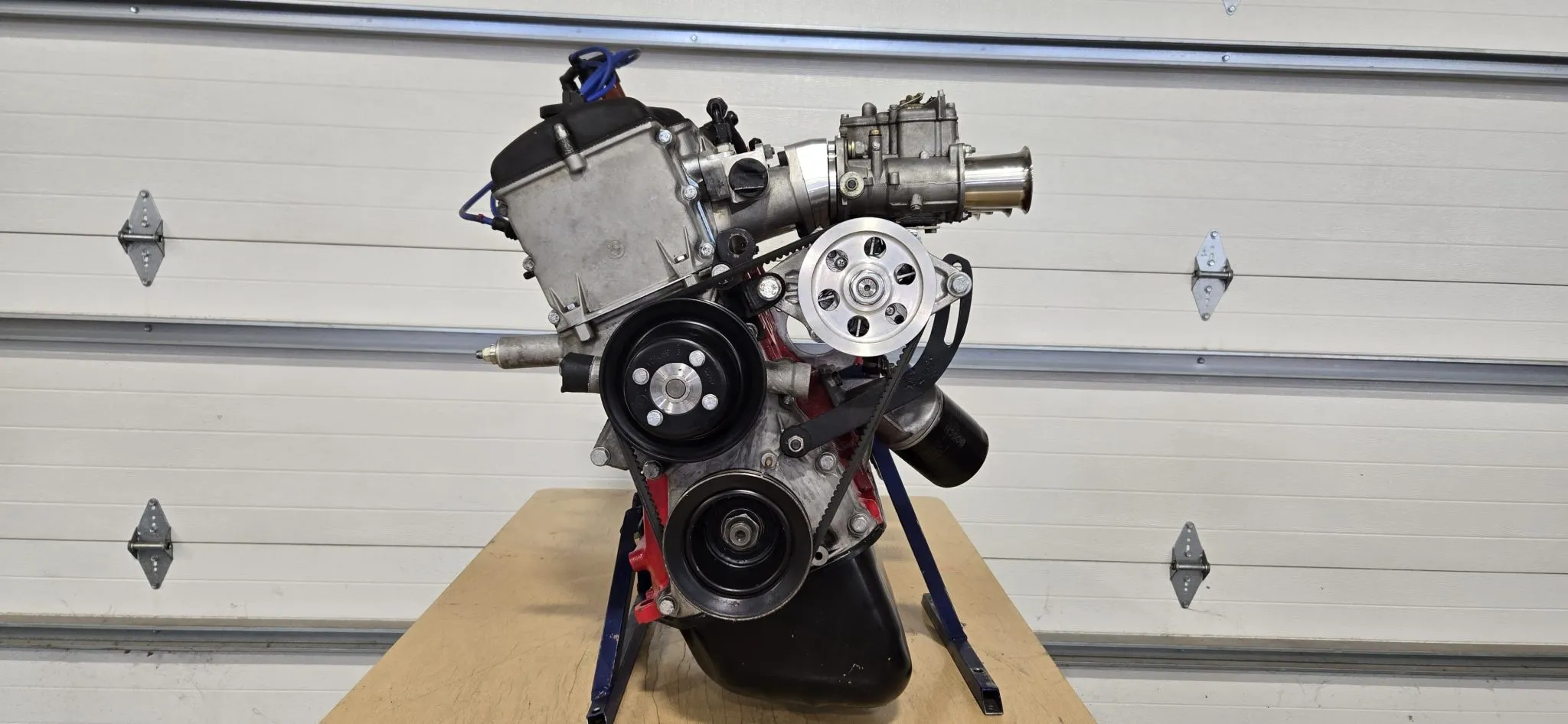
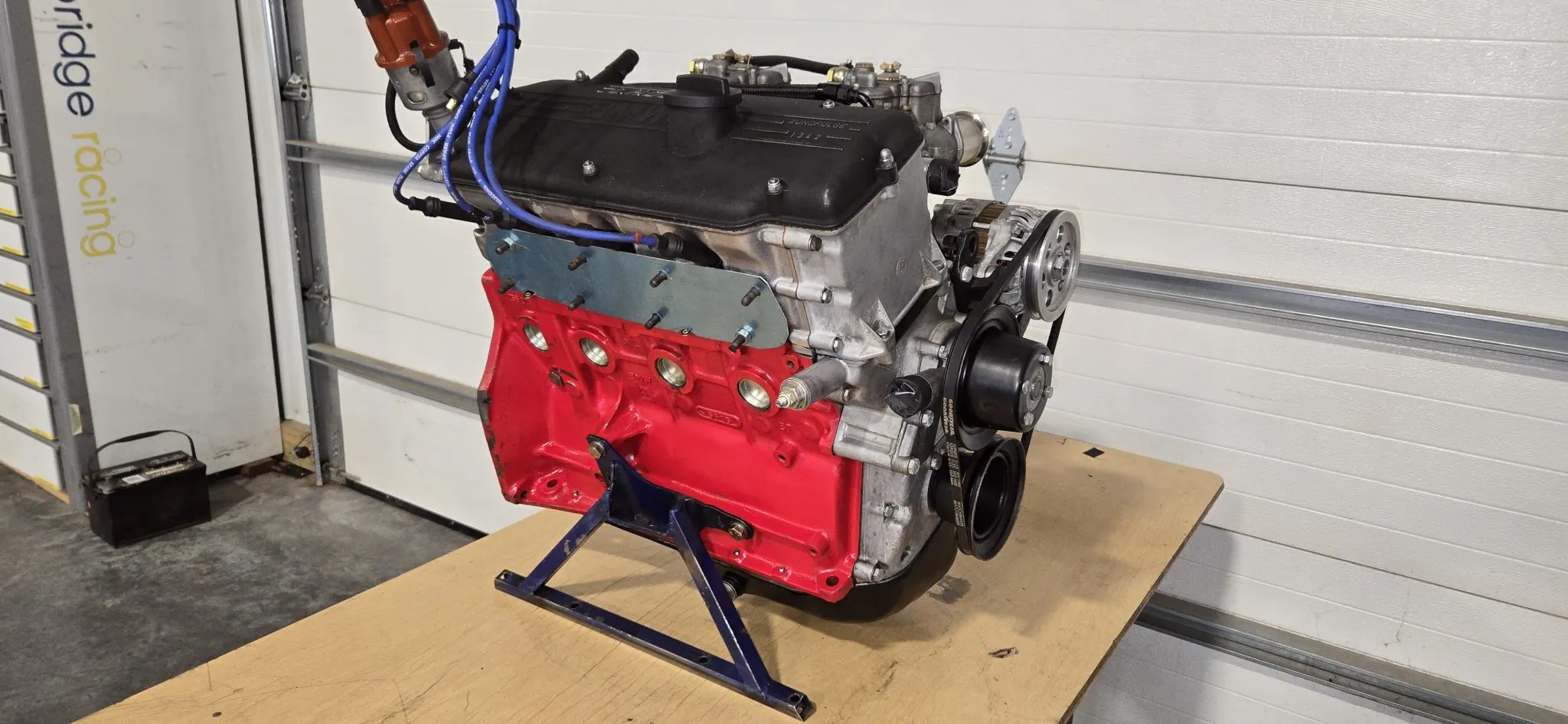
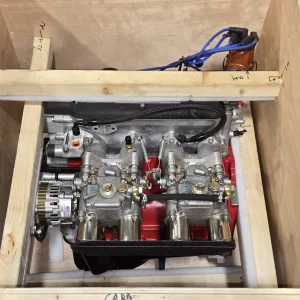
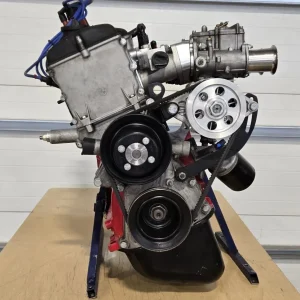
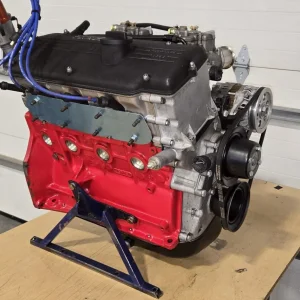
BMW M10 engine for sale: this 1,990cc classic BMW inline-four was built by LH Owen and features a cast-iron block, aluminum cylinder head, wet-sump lubrication, and Weber carburetor. Its period-style configuration makes it relevant to classic BMW restoration projects and enthusiasts looking for a traditional BMW four-cylinder engine.
Before ordering, confirm the engine’s identification code, condition, included components, and compatibility with your vehicle. Displacement alone does not establish a direct replacement fit.
Key specifications
| Specification | Details |
|---|---|
| Engine family | BMW M10 |
| Displacement | 1,990cc (approximately 2.0L) |
| Builder | LH Owen |
| Configuration | Inline-four |
| Block material | Cast iron |
| Cylinder head | Aluminum |
| Lubrication | Wet sump |
| Carburetor | Weber |
| Engine code | Confirm with seller |
| Condition and testing status | Confirm with seller |
BMW M10 engine background
Introduced in 1962 with the BMW New Class, the M10 became a significant engine family in BMW’s history. Its four-cylinder design was used in a range of classic BMW passenger cars and later provided the foundation for specialized racing-engine development.
Across its production life, the M10 family included multiple displacements, induction systems, and performance configurations. The exact specifications depend on the engine variant and build, so the original engine code and documented components should be checked before purchase.
Classic BMW engine applications
BMW M10 engines appeared in several classic BMW models, including versions of the New Class sedans, BMW 2002, and selected 3 Series and 5 Series vehicles. However, not every M10 engine is interchangeable across these applications.
For a BMW M10 replacement engine, compare the engine code, mounting points, oil pan and pickup arrangement, intake and exhaust configuration, cooling connections, and transmission compatibility. Modifications may be required when installing an engine in a different model or changing from the original fuel-delivery system.
What to check before purchase
Before choosing this BMW 2.0L engine for a restoration or replacement project, confirm:
- Engine identification: Verify the stamped engine code and displacement.
- Build documentation: Ask for details of the LH Owen build and any internal modifications.
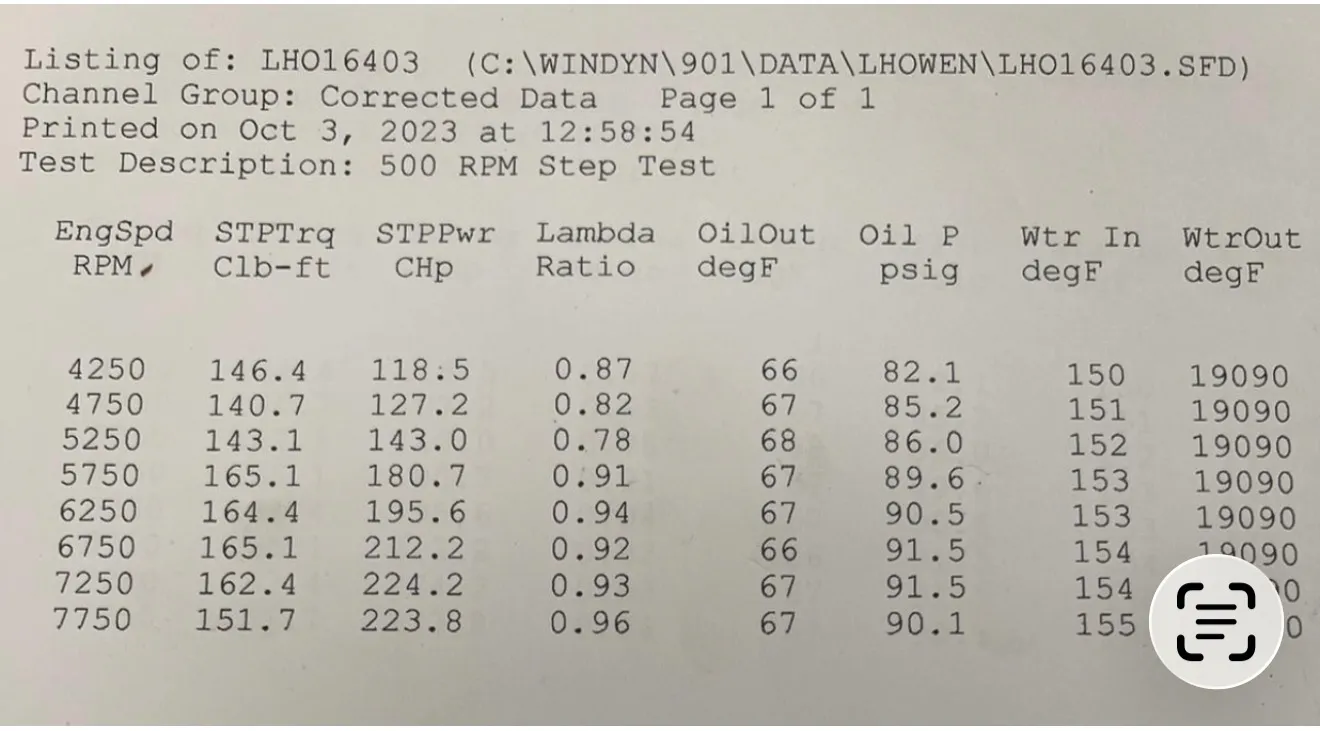
- Mechanical condition: Confirm whether the engine has been tested, its compression or leak-down results if available, and whether it is supplied running or untested.
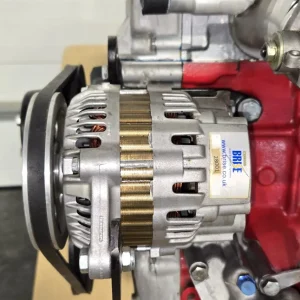
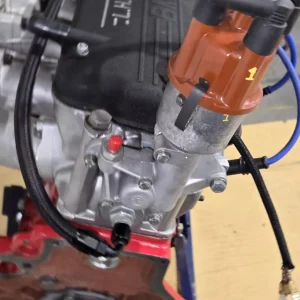
- Included components: Establish whether the carburetor, distributor, alternator, starter, manifolds, and other accessories are included.
- Vehicle compatibility: Match the engine to your BMW’s model, year, chassis, transmission, and intended use.
- Installation requirements: Check whether additional parts, tuning, or fabrication will be needed.
A classic BMW four-cylinder configuration
With its 1,990cc displacement, cast-iron block, aluminum cylinder head, wet-sump lubrication, and Weber carburetor, this BMW M10 engine offers a clearly defined starting point for a classic BMW project. Buyers should verify the exact build specification and mechanical condition rather than relying on the M10 family name alone.
Confirm the engine code, included equipment, and vehicle fitment with the seller before purchasing.
Related products